why permission
Families Are Parenting in a World That Has Changed
Kids today grow up online. They learn, socialize, explore identity, and form habits in digital spaces.
At the same time, parents face less visibility, more complexity, and fewer tools that genuinely support understanding without damaging trust.
The result is ongoing tension around screens, privacy, and trust.
The digital world has changed parenting. Permission exists to meet families where they are now.

The Reality Families Are Facing
Digital life introduces challenges that didn’t exist a decade ago.

Constant, multi-platform engagement,
where behavior forms across apps, games, and feeds rather than in one place

Early exposure to adult content, scams, manipulation, and persuasive design,
often before kids understand intentor risk

Mental health and sleep impacts,
driven by routines, timing, and repetition rather than single moments

AI-driven systems
shaping what kids see and learn, buy, and interact with — often invisibly
These challenges don’t call for fear or more surveillance. They call for context, guidance, and teaching.


Why Existing Tools Don’t Go Far Enough
Most parental tools were built for an earlier version of the internet.
They focus on blocking, limiting, and monitoring — approaches that can be useful in specific situations, but often create new problems:
- Increased secrecy
- Power struggles
- Reactive parenting without context
- Children feeling managed rather than supported
Control alone doesn’t teach judgment. Monitoring alone doesn’t build trust.

A Different Philosophy:
AI That Supports Parents
Permission is built around a simple belief:
Technology should support parenting — not replace it.
Using AI, Permission helps parents understand patterns, routines, and shifts in digital behavior that are difficult to see otherwise. Instead of overwhelming families with raw data, Permission translates digital activity into insight parents can actually use.
This allows parents to:
- Notice meaningful changes early
- Understand why something may matter
- Respond calmly instead of reactively
AI becomes a source of clarity — not control.
This turns digital challenges into shared problem-solving, not daily conflict.
Teach With Context
Digital behavior rarely exists in isolation. It forms patterns over time — across routines, interests, and moods.
Permission helps parents see those patterns so they can:

Explain expectations clearly

Talk through digital choices with confidence

Guide kids toward healthier habits without guessing

Avoid unnecessary conflict by understanding what’s actually happening.
Teach Responsibility and Financial Literacy through Rewards
Today’s kids already understand digital rewards — from in-game currencies to points, credits, and tokens. What they often don’t understand is value, responsibility, and long-term impact.
Permission uses a structured reward system (ASK) to help families:
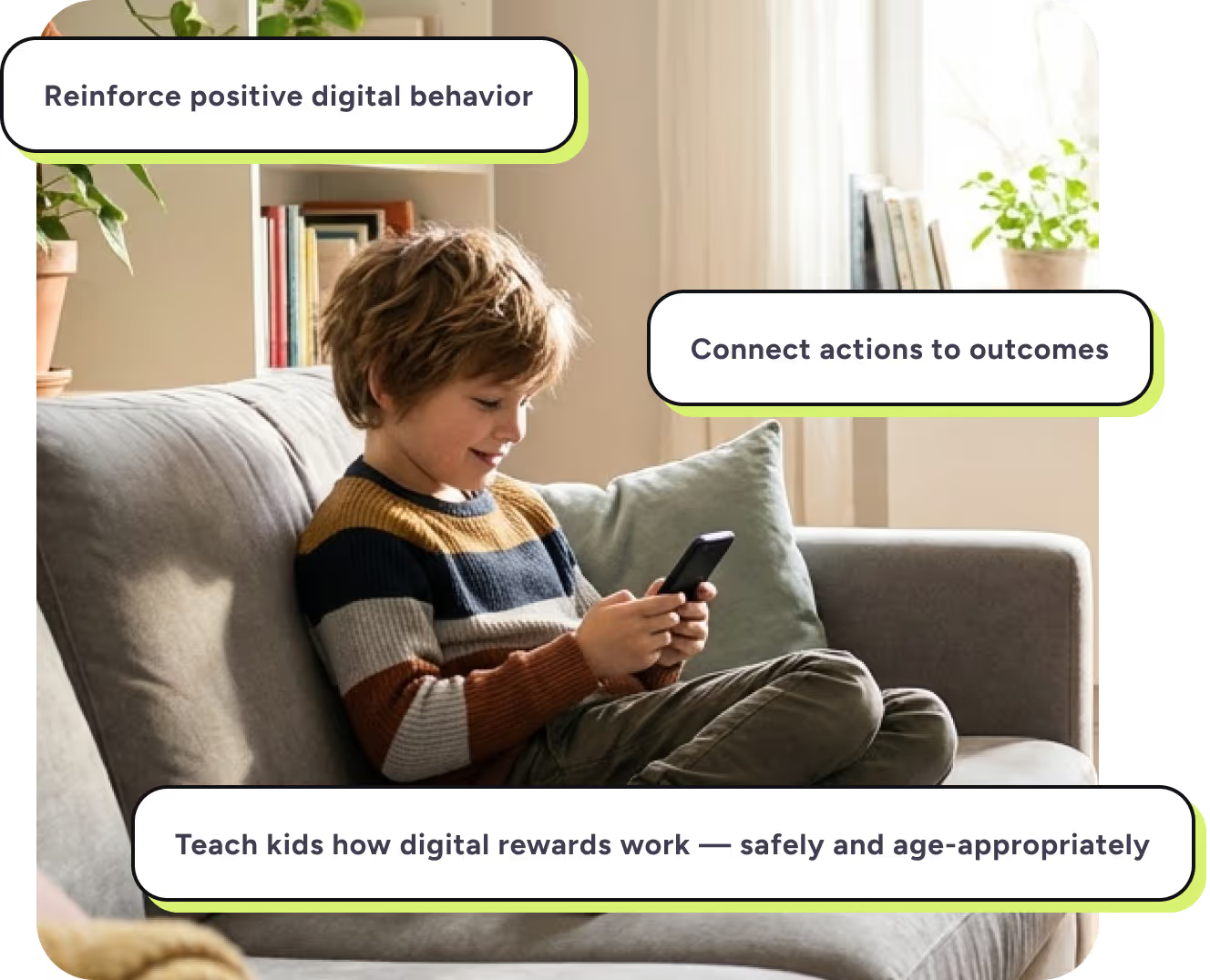
- Reinforce positive digital behavior
- Connect actions to outcomes
- Teach kids how digital rewards work — safely and age-appropriately
Parents stay fully in control, while kids gain early literacy in the digital economy they’re growing up in.
What Peace of Mind Really Means
Peace of mind doesn’t come from watching everything. It comes from knowing you’ll notice what matters.
Permission helps parents feel:
- Informed, not overwhelmed
- Present, not intrusive
- Prepared, not reactive
By surfacing meaningful changes early and reducing unnecessary noise, Permission allows parents to stay steady — even as digital life evolves.
This is peace of mind built on understanding, not fear.
Eyebrow Text Here
Join Permission